Buying In Norfolk County: What Brantford-Area Buyers Should Know
TL;DR
- Choose a community around your weekday routine, not just your favourite weekend destination.
- Test the drive to work from the actual property before committing to a location.
- Confirm water, sewage, heating, internet and road access for each address.
- Check zoning and conservation restrictions before relying on renovation or rental plans.
- Compare total ownership costs and similar local sales, not just the asking price against Brantford.
A Different Address Changes More Than Your Drive
Buying in Norfolk County means deciding how a different location will work for your everyday life. A house near the lake, a home in town and a rural property can come with very different responsibilities.
If you’re coming from Brantford or Brant County, start with what you want to improve. More outdoor space? A different community? Easier access to the lake? Then check what you would be trading to get it.
My advice is simple: choose the routine before you choose the kitchen. This guide covers the location, property and budget questions worth answering before you make an offer.
Table Of Contents
- Choose the community
- Test the Brantford commute
- Check water and septic
- Look closely at lakeshore properties
- Verify your plans
- Compare the full budget
- Build your offer checklist
Matt’s Stats
- 67,490 residents: Norfolk County’s population in the 2021 Census.
- 42.2 people per square kilometre: Norfolk’s population density in the 2021 Census.
- 6 urban areas and 45 official hamlets: Listed in Norfolk County’s 2022 map book.
- 2,151 km of roads: The county-wide road network listed in the 2022 map book.
- 25% forest cover: Norfolk County reports that roughly one-quarter of its land is forested.
- 40 km into Lake Erie: The length of Long Point’s sand spit, according to UNESCO.
- 370 bird species and 91 butterfly species: Recorded in the Long Point Biosphere Reserve and surrounding region.
- 1,384 plant species and 102 fish species: Also recorded across the biosphere reserve and surrounding region.
Buying In Norfolk County: Start With The Community
Don’t treat Norfolk as one neighbourhood. Build a shortlist around what you need nearby, then compare actual addresses within it.
Waterford, Simcoe and Delhi are useful places to include in a town-focused search. Port Dover and Port Rowan belong on the list if being near Lake Erie matters to you. Rural addresses need their own assessment of services, access and upkeep.
Those names are starting points, not a ranking. Two homes in the same community can offer different access to shops, schools and your route to work.
For each address, ask:
- Where will you buy groceries and pick up prescriptions?
- Which school serves the address, and what transportation is available?
- How will you get to work, appointments and family activities?
- Can you walk to the places you use, or will most trips require a car?
- Does the property give you privacy, outdoor space or lake access you will actually use?
Visit beyond the showing appointment. If quiet matters, spend time outside and listen. If walkability matters, walk the route rather than judging it from a map.
Test The Brantford Commute Before You Buy
A map estimate is a starting point. It doesn’t tell you how the drive fits your working hours, school drop-offs or regular stops.
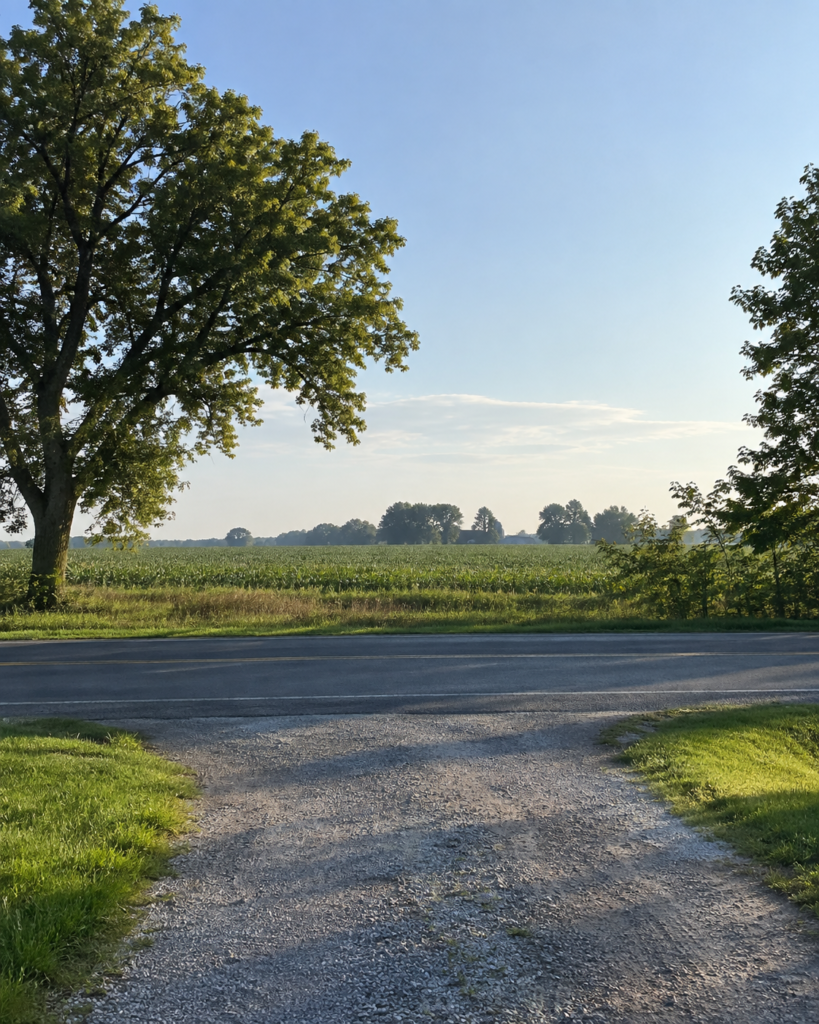
Drive from the property to your workplace at the time you would normally leave. Test the return trip too. If you work shifts, use your shift times rather than a standard rush-hour assumption.
Also check the route you would use during road closures or poor weather. Ask who maintains the road and whether any part of the access is private.
For example, a buyer who works in Brantford several days a week may put more weight on the commute. Someone who works from home may care more about reliable internet. Neither choice is wrong, but the same house won’t solve both buyers’ needs equally well.
Confirm Water, Septic And The Systems You Will Own
Confirm the water source and sewage system for the specific property. A community name or a neighbouring house isn’t enough to establish what services the address has.
Norfolk County’s water and wastewater information is a useful starting point for municipal services. Ask for confirmation of the property’s connections and review available bills. water and wastewater information
For a private well, request recent test results, available well records and details of treatment equipment. Discuss water supply and flow testing with a qualified professional, especially if your household’s needs differ from the seller’s.
A satisfactory bacteria result doesn’t answer every water question. Chemical testing and the well’s ability to supply your household need separate consideration.
For septic, request available permits, system plans, pumping records and repair history. Arrange an assessment by a qualified septic professional, with a scope suited to the property. Don’t assume a general home inspection covers it.
Check the heating fuel, equipment age and service records too. Ask internet providers about service at the exact address, and confirm what happens to rented or financed equipment on closing.
My buyer red flags guide can help you separate cosmetic issues from problems that need investigation. buyer red flags guide
A Lake View Deserves A Closer Look
If you’re considering a property near Lake Erie, check more than the view. Ask about flooding, erosion, drainage and any restrictions affecting the lot or your plans.
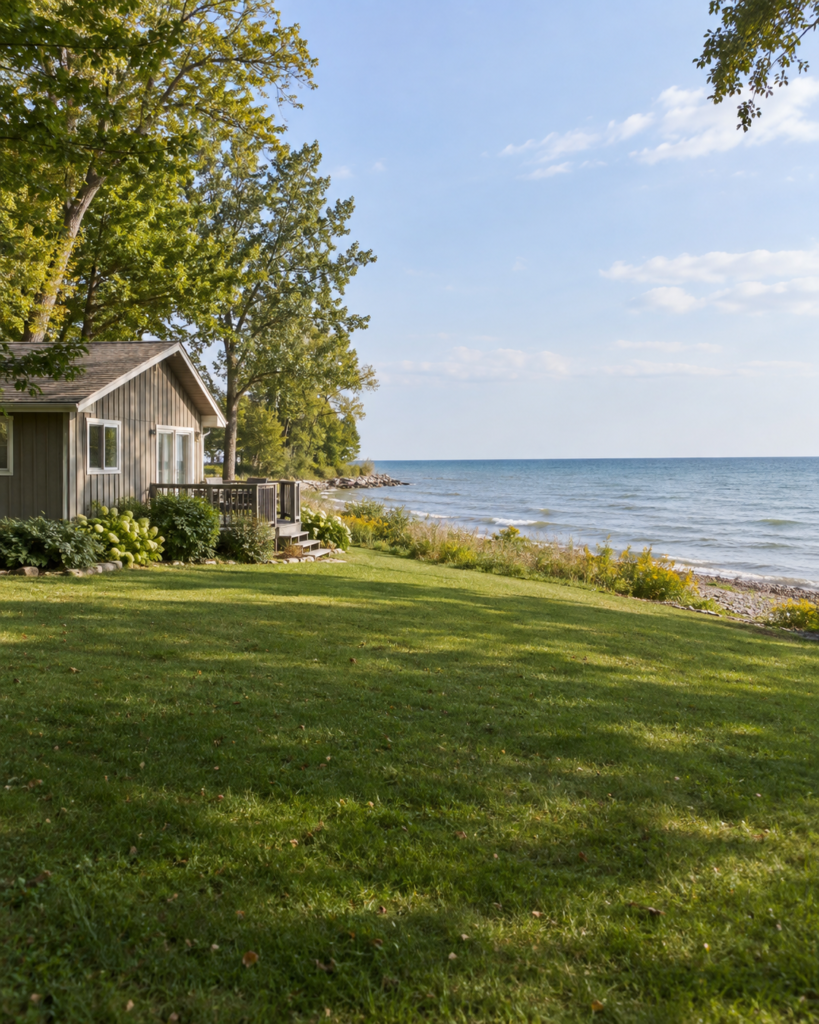
Start with the relevant conservation authority. Long Point Region Conservation Authority’s property inquiry service can help with properties in its jurisdiction. Confirm which authority covers the address rather than assuming the county boundary answers that question.
Also distinguish waterfront ownership from nearby public access or a shared access arrangement. Have your lawyer review the title, boundaries and any access rights you are relying on.
If the home is described as a cottage or seasonal property, confirm whether it suits year-round use. Ask your lender and insurer to assess the actual building, services and intended occupancy before you remove relevant conditions.
A summer visit can help you judge parking and activity nearby. A colder-weather visit can help you assess the home and access under different conditions.
Buying In Norfolk County: Check What You Can Actually Do
A large lot doesn’t automatically make your plans possible. Before relying on an addition, workshop, second dwelling or rental use, ask Norfolk’s planning and building staff about the address.
Describe the proposal clearly. Include the intended use, approximate size and proposed location. Ask about zoning, setbacks, permits and any other approvals that may apply.
Review available permits for existing work too. A finished room or detached building isn’t proof that its construction or use was approved.
If rental income is part of your budget, verify that the intended rental use is allowed. Have your lender assess how any income would be treated. Keep that income out of your working budget until the assumptions have been checked.
Compare The Full Cost Of Buying In Norfolk County
Don’t assume buying in Norfolk County will cost less than buying in Brantford. Compare properties that fit your needs, using recent sales with similar locations, condition, servicing and lot characteristics.
A renovated home in town and a rural home needing system work aren’t useful substitutes just because both have three bedrooms.
Build a budget that includes:
- Mortgage payments, property taxes and insurance quotes.
- Heating, electricity and water or private-system expenses.
- Internet, commuting and any extra vehicle costs.
- Maintenance for the house, outbuildings and outdoor space.
- Closing costs and a reserve for identified repairs.
For example, a lower purchase price may leave room for repairs. It may also come with a longer drive or equipment that needs replacing. Put actual quotes beside those items before deciding which home offers better value.
This is also where buyers can avoid focusing too heavily on finishes while overlooking costs. My guide to the biggest mistakes buyers make covers that broader decision. biggest mistakes buyers make
What To Check Before You Make An Offer
Once you’ve found a property you like, turn the unanswered questions into a clear investigation plan.
- Confirm services, heating, internet and road access.
- Review disclosures, available permits and system records.
- Arrange inspections and specialist assessments suited to the home.
- Check zoning and conservation requirements for your intended plans.
- Have your lawyer review title, boundaries and access issues.
- Confirm financing and insurance for the property and intended use.
- Use offer conditions and timelines that give you a realistic chance to complete those checks.
Ask your agent and lawyer which conditions fit the purchase. A rural home, a seasonal cottage and a serviced home in town may need different work before you can make an informed decision.
Let’s Compare Your Norfolk Shortlist
Thinking about buying in Norfolk County while keeping work or family ties in Brantford? Send me the communities you’re considering and what you need from the move.
I’ll help you compare the properties, identify questions worth answering and work through the trade-offs before you commit. Contact Matt with your shortlist, your budget and the weekday routine the home needs to support.