
Brantford Home Buyer Red Flags: What To Ignore, Inspect, And Walk Away From
Brantford home buyer red flags can be tricky because not every problem means you should walk away. Some issues are just negotiating leverage. Some need a closer look from an inspector, electrician, plumber, lawyer, or insurance broker. And some really should make you pause before you firm up. The goal is not to find a perfect home. It is to know what you are buying, what it could cost to fix, and whether the risk still makes sense for your budget.

TL;DR
- Some Brantford home buyer red flags are actually negotiating opportunities.
- Cosmetic issues, stale listings, and deals that fall apart are not automatic dealbreakers.
- Mould, water, structure, pests, electrical, and plumbing need expert opinions before you firm up.
- Flood risk, environmental concerns, and messy title issues can follow you long after closing.
- The goal is not to buy a perfect home. It is to know exactly what you are buying before you waive conditions.
Buying a home is exciting. It can also make smart people say strange things like, “I’m sure that basement smell is probably nothing.” Maybe it is nothing. Maybe it is a damp foundation, an old sewer line, and a $20,000 welcome gift from the universe.
That is why red flags matter. Not because every issue should kill a deal, but because the wrong issue can blow up your budget after closing.
In Canada, buyers are already under pressure. CMHC’s 2026 Mortgage Consumer Survey found that 39% of mortgage consumers were still concerned about making their mortgage payments. CMHC’s 2025 survey also found that 33% of first-time buyers reported immediate repairs as an unexpected expense during the buying process.
That is the part I care about.
A home does not need to be perfect. You just need to know what you are buying.
Matt’s Stats
- 39% of Canadian mortgage consumers were concerned about making mortgage payments in CMHC’s 2026 survey.
- 33% of first-time buyers in CMHC’s 2025 survey reported immediate repairs as an unexpected expense.
- 31% of first-time buyers reported home inspection costs as an unexpected expense in CMHC’s 2025 survey.
- RECO warns that skipping a home inspection can leave buyers exposed to defects, repairs, or upgrades they did not know about before firming up.
- In Ontario, sellers generally do not have to disclose patent defects. That is the classic “buyer beware” problem.
- Brantford buyers can check local flood-zone mapping through the City of Brantford and GRCA tools before firming up on a property near flood-prone areas.
Brantford Home Buyer Red Flags Are Not All The Same
This is where buyers can get themselves into trouble. They treat every issue the same.
Peeling paint? Panic.
Old furnace? Panic.
Visible water staining on the basement wall? Also panic, but this time the panic is probably justified.
The better approach is to sort red flags into three buckets:
| Red Flag Type | What It Usually Means | What You Should Do |
|---|---|---|
| Opportunity | Other buyers may be scared off | Negotiate |
| Needs expert review | The cost could be small or massive | Inspect before firming up |
| Walk-away risk | The issue may be hard, costly, or impossible to fix | Slow down or move on |
That simple framework can save you a lot of stress. It can also stop you from walking away from a good house because of ugly carpet. And yes, ugly carpet has scared off more buyers than it should. Somewhere, a floral 1990s basement carpet is costing a seller $15,000 right now.
Brantford Home Buyer Red Flags That Might Be Opportunities
Some red flags are not really red flags.
They are more like yellow lights.
Proceed carefully, but do not assume the house is broken.
A Home That Has Been Sitting On The Market
A long time on market can make buyers suspicious. Sometimes that suspicion is fair. Other times, it just means the home was overpriced, poorly presented, badly photographed, listed at the wrong time, or missed the first wave of buyers.
In Brantford, a home sitting longer than the competition can create an opening. You may be able to negotiate:
- price
- closing date
- inclusions
- repairs
- inspection condition
- financing condition
- a seller-completed repair before closing
- a lawyer-approved holdback, where appropriate
The mistake is assuming “days on market” tells the whole story. It does not.
I want to know why it has been sitting. Bad price? We can work with that. Bad foundation?
Different conversation.
A Conditional Sale That Came Back To Market
In the U.S., you might hear people say a house “fell out of contract.”
In Ontario, we would usually say it sold conditionally and came back to market.
That can scare buyers but it should not always scare buyers. Deals fall apart for all kinds of reasons:
- financing did not come together
- the buyer got cold feet
- the buyer could not sell their current home
- the inspection raised issues the buyer did not want to handle
- the condo status certificate did not work for the buyer
- the parties could not agree on repairs or credits
The key question is simple: Why did the deal fall apart? If the first buyer found a major issue, I want to know what it was. If their financing failed, that may have nothing to do with the house.
Cosmetic Issues
- Paint colour is not structural.
- Dated light fixtures are not structural.
- Old carpet is not structural.
- A messy yard is not structural.
These issues can make a house feel worse than it is. That can reduce competition. which is where buyers with vision can win. A cosmetic refresh might include:
- paint
- light fixtures
- cabinet hardware
- basic landscaping
- new flooring in one or two rooms
- updated mirrors or faucets
- cleaning, decluttering, and small repairs
Do not get distracted by ugly, ugly can be fixed. Expensive hidden problems are the ones we care about. There is a huge difference between “this kitchen is dated” and “this kitchen addition appears to be sinking.” One is a project. The other is a phone call to a structural engineer.
A Power Of Sale Listing
In Ontario, the phrase you are more likely to see is power of sale, not foreclosure. A power of sale does not automatically mean the home is a steal but it also does not automatically mean the home is a disaster. It usually means a lender is selling the property to recover mortgage debt.
The opportunity? The seller may be motivated.
The risk? The property may come with fewer warranties, limited history, and more “as is” wording than a standard resale.
Before getting excited about a discount, make sure your lawyer reviews:
- title
- lender-specific terms
- execution searches
- tax arrears
- work orders
- the Agreement of Purchase and Sale
- any “as is, where is” language
A power of sale can be worth looking at but it’s definitely not where I would recommend winging it.
Brantford Home Buyer Red Flags That Need A Professional Opinion
These are the red flags where the cost can range from “not a big deal” to “
I now regret every life choice that brought me here.” The only way to know is to slow down and get the right expert involved.
Mould Or Water Damage
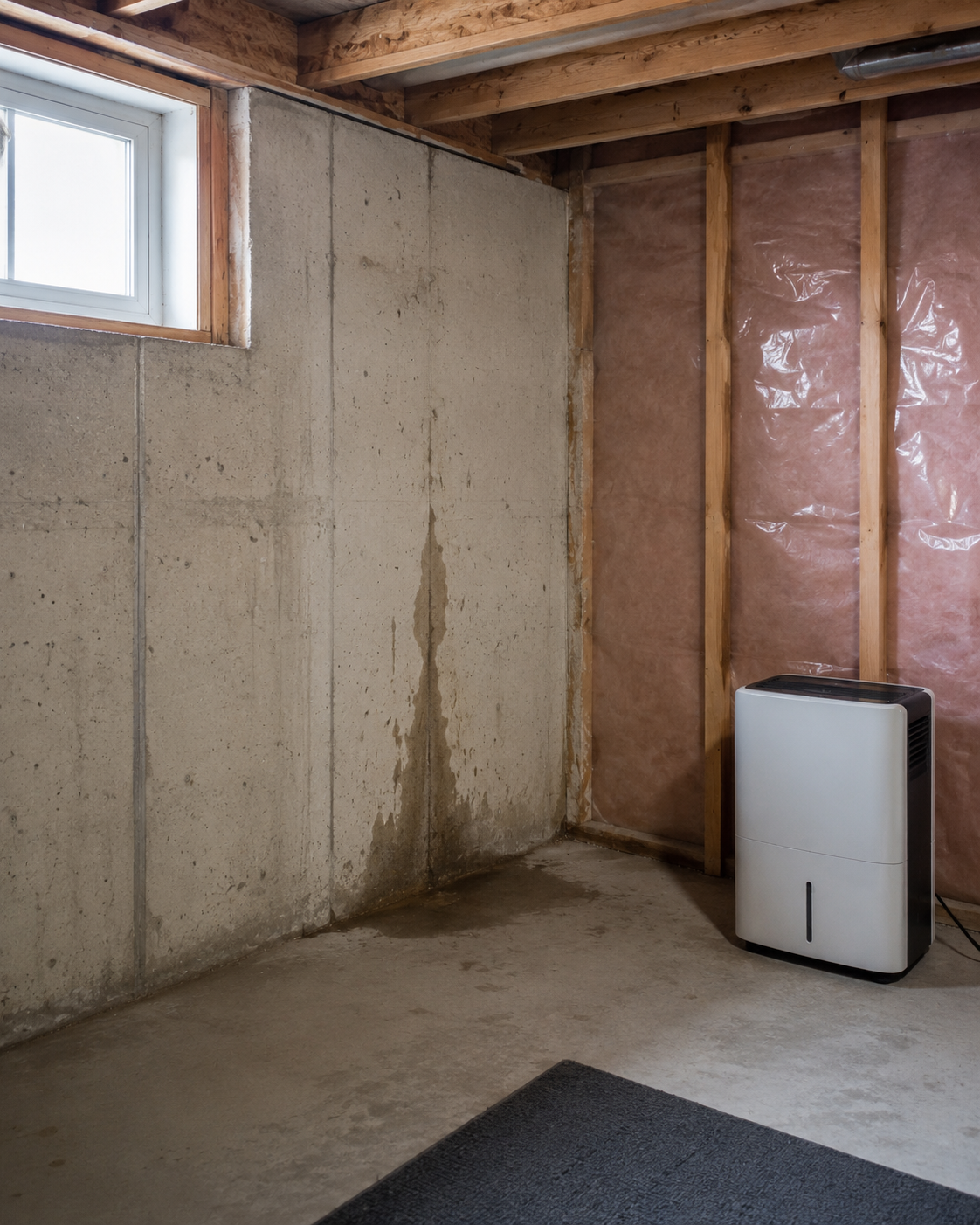
First, Canadian spelling. It is mould.
Second, mould is not always the main issue. Moisture is.
A little surface mould in a poorly ventilated bathroom is one thing. Mould caused by foundation seepage, a roof leak, attic ventilation problems, plumbing leaks, or a finished basement hiding water damage is another thing entirely.
Mould needs moisture to grow. Moisture can come from daily activities like bathing and cooking, or from water entering through cracks and leaks. That is the part buyers need to focus on.
For more information: https://www.cmhc-schl.gc.ca/professionals/industry-innovation-and-leadership/industry-expertise/indigenous-housing/develop-manage-indigenous-housing/maintenance-solutions/mould-in-housing
Ask:
- Where is the water coming from?
- Is the source fixed?
- Is the affected area visible?
- Is anything hidden behind finished walls?
- Is there a history of flooding or seepage?
- Does the basement smell damp?
- Are there signs of fresh paint or patching in suspicious areas?
Small mould problem? Maybe manageable.
Recurring water issue? That is the real red flag.
Before firming up, consider:
- home inspection
- mould remediation estimate
- foundation contractor opinion
- roofer opinion
- plumber opinion
- sewer scope, if drainage is a concern
The mould you see might be the trailer so consider the moisture source is the movie.
Foundation Or Structural Problems
A foundation crack does not automatically mean a house is falling down. Some cracks are common, others are not so much but the challenge is knowing which is which. I care about:
- horizontal cracks
- wide cracks
- stair-step cracking in block
- bowing walls
- sloping floors
- doors that do not close properly
- windows out of square
- cracks that appear to be moving
- water entering through the foundation
- signs of past structural repairs

This is not where I want buyers guessing from TikTok, they should be contacting a structural engineer or qualified foundation specialist to get involved because. Why? A minor crack repair is one thing, major movement, wall bracing, underpinning, or structural stabilization is another. The house might still be worth buying but only at a particular price that reflects the risk
Signs Of Pests
Now you’d expect pests like mice in an older home, that’s common, but cockroaches, carpenter ants might need a closer look. Termites? Now we are really paying attention. It’s not even the treatment that is the scary part, it’s the potential damage.
Pest issues can point to:
- moisture problems
- wood-to-soil contact
- damaged framing
- hidden rot
- poor maintenance
- openings around the exterior
- old insulation or crawlspace issues
If you see pest evidence, do not just ask, “Can this be treated?” Ask, “What damage could they have caused?” That second question is where the money lives.
Electrical Problems
Electrical issues deserve a serious look in Ontario, especially in older homes.
I want the inspector to flag:
- knob-and-tube wiring
- aluminum wiring
- fuse panels
- panels under 100 amps
- double taps
- open junction boxes
- DIY wiring
- missing GFCI protection
- exposed wiring
- old cloth wiring
- unpermitted renovations
ESA says knob-and-tube wiring may be treated as higher risk by insurers, and some insurers may require replacement before providing coverage. They also say that aluminum wiring can be safe when it is properly connected and terminated under the Ontario Electrical Safety Code.
So the issue is not always “this wiring exists.” The better question is: Can it be insured, and what will it cost to correct? Before firming up on a house with older wiring, consider:
- electrician review
- insurance quote
- confirmation of service size
- ESA documentation, if available
- cost estimate for updates
A house can be beautiful and still be a nightmare to insure, beauty does not keep the lights on.
Plumbing Or Sewer Issues

Plumbing issues are one of the sneakier ones. A dripping faucet is just a trip to Home Depot. Old supply lines, bad drainage, sewer problems, and hidden leaks are where buyers can get hurt and need a professional. Watch for the following:
- low water pressure
- slow drains
- gurgling drains
- sewer smell
- galvanized plumbing
- Kitec plumbing
- visible corrosion
- old clay sewer lines
- water stains below bathrooms
- finished basements with no clear access to plumbing
- sump pump issues
- poor grading around the house
For older homes, a sewer scope can be money well spent. There are plenty of sewage piping in older neighbourhoods like Dufferin, Eagle Place, and more that might be compromised from damage or blockage. Nobody wants to move in, unpack the couch, and then find out tree roots have turned the sewer line into a botanical garden… not the kind of indoor greenery buyers are usually going for.
Asbestos, Lead, Vermiculite, And Other Older-Home Materials
Older homes can be chock full of character, but they can also be chock full of older materials that need careful handling. Common concerns include:
- asbestos in old flooring
- asbestos in pipe wrap
- asbestos in plaster or ceiling texture
- vermiculite attic insulation
- lead-based paint
- old oil tanks
- buried fuel tanks
- UFFI
- old insulation
- outdated renovation materials
Health Canada says asbestos-containing materials may not pose a significant health risk if they are left undisturbed, isolated, sealed, or in good condition. The risk changes when you renovate: Sanding, drilling, scraping, breaking, removing, or disturbing materials can release fibres. That matters for buyers who plan to “just open up the kitchen.”
Famous last words. Before renovating an older home, testing can matter more than enthusiasm.
Brantford Home Buyer Red Flags That May Be Walk-Away Risks
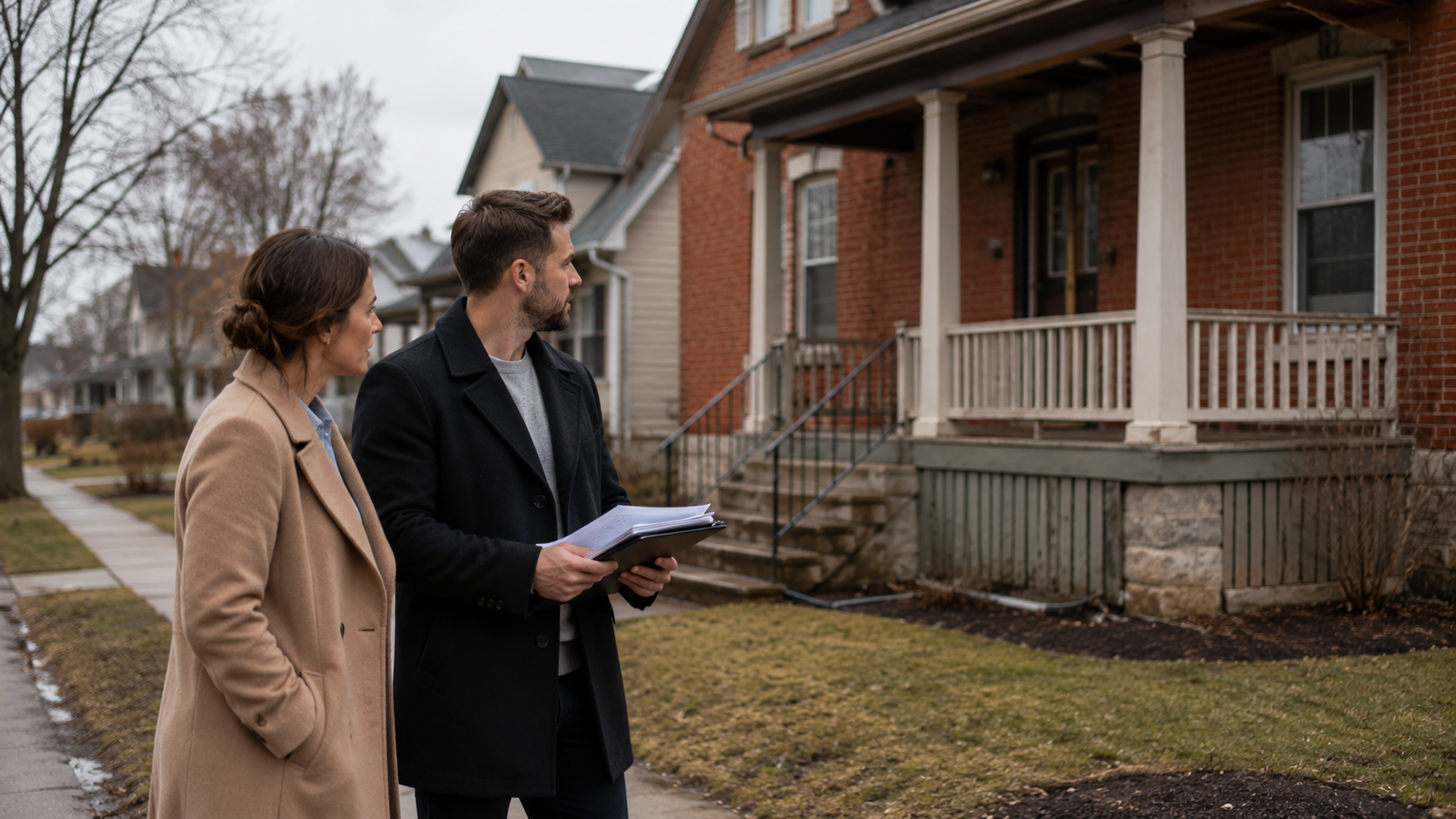
Some issues can be fixed.
Some can be negotiated.
Some can follow you around like a bad decision with a property tax bill attached. These are the ones where I slow way down.
Environmental Contamination Near The Property
You can renovate a kitchen but it’s a bigger job to move a contaminated site. This matters in parts of Brantford and other Ontario communities with older industrial lands, rail corridors, former gas stations, dry cleaners, auto uses, machine shops, and commercial sites. Environmental risk does not always mean the property is unsafe but it is a signal that you need more information.
Before buying near higher-risk uses, consider checking:
- Ontario Access Environment
- Ontario Environmental Site Registry
- Federal Contaminated Sites Inventory
- municipal records
- historical aerial photos
- past land use
- lawyer searches
- environmental reports, if available
For higher-risk properties, your lawyer may recommend more due diligence. That could include environmental searches or a Phase I Environmental Site Assessment on a commercial, industrial or agricultural property, but for a typical resale house, that may not be needed. The key is not panic, but realizing that a former gas station next door is not the same as a flower shop.
Flood-Prone Property Without Affordable Insurance
Water risk is a big one, it can bring on a wave of costs (yes that pun stays.)
In Canada, standard home insurance does not always cover flooding from outside the home. Sewer backup and overland flood coverage are often separate or optional. The Insurance Bureau of Canada says sewer backup is typically not covered by a standard policy. It also says overland flooding is typically not covered by a standard policy, although many insurers now offer optional coverage based on risk.
That means buyers need to check before firming up. Not after closing. Not after the first big storm. Before.
In Brantford, buyers can use the City of Brantford’s flood-zone map and the GRCA Map Your Property tool. The City’s tool lets users search an address and turn on the GRCA Flood Zones layer to see whether a location falls within a designated flood zone.
GRCA also regulates river or stream valleys, floodplains, slopes, wetlands, and certain shoreline areas. If a property is in a regulated area, some construction or development work may need a GRCA permit.
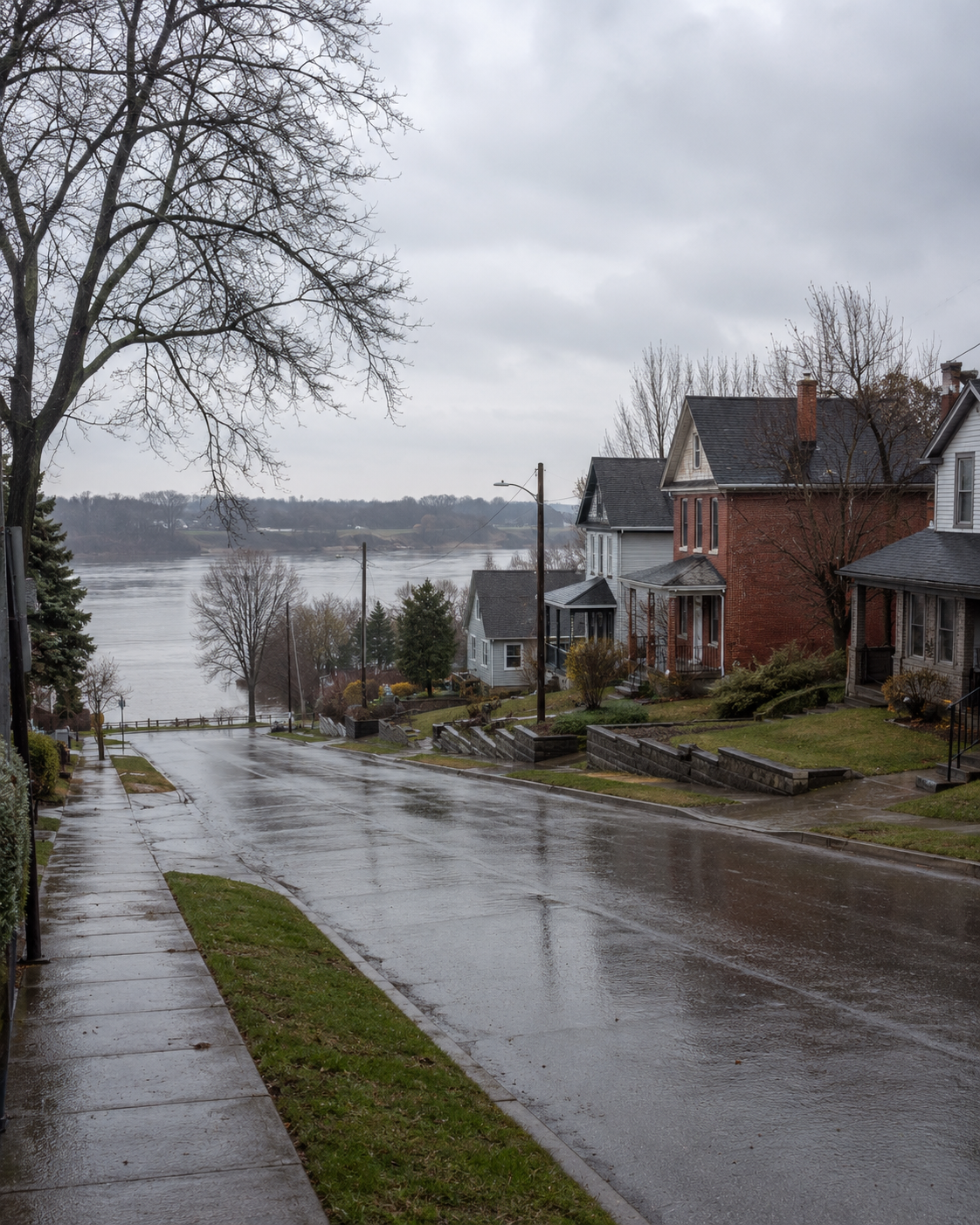
This can affect:
- additions
- decks
- pools
- grading
- basement finishing
- future resale
- insurance availability
- lender comfort
- renovation plans
The issue is not only whether the house has flooded before, it’s what you can insure, what you can build, and what the next buyer will think when they check the same map.
Unresolvable Title Issues
Title problems can be serious but fixable, and there are those that aren’t worth the headache. Common title concerns include:
- unpaid liens
- tax arrears
- boundary disputes
- encroachments
- easements
- unresolved estate issues
- missing discharges
- old mortgages still registered
- survey problems
- condo-related title issues
- fraud concerns
FSRA says title insurance may protect against unknown title defects, existing liens, encroachment issues, survey or public record errors, title fraud, and other title-related problems. But FSRA also says title insurance does not cover everything. Possible exclusions include known title defects, environmental hazards, some survey issues, unrecorded liens or encroachments, zoning bylaw violations from changes or additions, and non-title-related issues.
In plain English? Title insurance is useful, not really a magic wand, but that’s where your wizard lawyer matters. If the title issue cannot be cleared before closing, or if the risk is bigger than the home is worth, that is when we talk about walking away.
Hidden Defects And Ontario Buyer Beware Rules
This is where Ontario buyers really need to pay attention. RECO says a seller generally does not have to disclose a patent defect which is a defect that a buyer could discover through reasonable inspection and due diligence. That is the buyer beware part.
RECO also says sellers must disclose latent defects, and that failing to disclose a latent defect may lead to litigation. A latent defect is not obvious through a reasonable inspection. Ontario case law also matters here.
In Barbieri v. Mastronardi, 2014 ONCA 416, the Ontario Court of Appeal confirmed that a seller may be liable when they know about a latent defect that makes a property dangerous or unfit for habitation and do not disclose it. The practical takeaway? Do not assume the seller has to tell you everything. Protect yourself with:
- a home inspection condition
- financing condition
- insurance quote
- lawyer review
- title review
- seller questions in writing
- specialist inspections where needed
- a clear understanding of what you are waiving
This isn’t being paranoid. The more you put down on paper the less things left for interpretation at closing time, essentially making sure you are being careful about tying your deposit and future budget to the property.
A Note For First-Time Buyers In Brantford
First-time buyers feel the pressure, I completely understand.
You are tired of renting.
You want to build equity.
You want to stop losing bidding wars.
You want a place where you can paint the walls without asking someone named “property management” for permission.That pressure can push buyers into risky decisions. The biggest one? Waiving conditions before they understand the house.
CMHC’s data shows many first-time buyers already run into unexpected costs during the buying process. This is a big deal because the most expensive home is not always the one with the highest purchase price. Sometimes it’s the innocent affordable looking one that came with a number of costly repairs.
Before you waive conditions, ask yourself:
- Can I afford the repair if the worst-case quote is true?
- Can I insure the property?
- Can I get financing if the issue affects lender comfort?
- Can I live with the issue if it takes a year to fix?
- Will this hurt resale?
- Am I buying the house, or am I buying the idea of being done with house hunting? Buyer fatigue can get expensive.
The Quick Red Flag Cheat Sheet
| Red Flag | Usually An Opportunity? | Needs Expert Review? | Possible Walk-Away Risk? |
|---|---|---|---|
| Long time on market | Yes | Sometimes | Rarely |
| Conditional sale fell apart | Yes | Sometimes | Sometimes |
| Ugly paint or old carpet | Yes | Rarely | Rarely |
| Power of sale | Sometimes | Yes | Sometimes |
| Mould | Sometimes | Yes | Sometimes |
| Foundation cracks | Sometimes | Yes | Sometimes |
| Pests | Sometimes | Yes | Sometimes |
| Knob-and-tube wiring | Sometimes | Yes | Sometimes |
| Aluminum wiring | Sometimes | Yes | Sometimes |
| Sewer line concerns | Sometimes | Yes | Sometimes |
| Asbestos or vermiculite | Sometimes | Yes | Sometimes |
| Flood zone | Rarely | Yes | Yes |
| Environmental contamination nearby | Rarely | Yes | Yes |
| Serious title issue | Rarely | Yes | Yes |
What I Tell My Buyers
Red flags do not automatically mean “run.” we just need to “ask better questions.” A good buyer strategy is not about being fearless, instead you want to be informed enough to know when the risk is worth it.
Sometimes the house with ugly carpet and a stale listing is the deal everyone else missed.
Sometimes the cute house near the river comes with insurance problems, flood risk, and permit restrictions.
Sometimes the “minor basement issue” is not minor at all.
The trick is knowing the difference before you firm up. That is where a good inspection, a good lawyer, a good insurance broker, and a calm real estate agent matter… Preferably one who is willing to tell you the truth, even if it slows the deal down. That part matters more than people think.
The Bottom Line On Brantford Home Buyer Red Flags
Brantford home buyer red flags fall into three groups:
Some are opportunities.
Some need expert review.
Some should make you walk away.
The flawless home probably does not exist, but if it does, someone painted it grey, staged it with three fake plants, and priced it like it comes with naming rights. The real goal is to know what you are buying, what it may cost, and whether the risk makes sense for your budget.
Sometimes the red flag is a warning, sometimes it is leverage, and sometimes it is just a really bad paint colour.
If you are buying in Brantford, Brant County, Norfolk, Oxford, or nearby, send me the listing before you fall in love with it. I will help you sort the scary stuff from the surface-level stuff.





Pingback:Who Is A Good Brantford Real Estate Agent For First-Time Homebuyers? | Matt Allman - Brantford Real Estate Agent
Pingback:Buying in West Brant: What Buyers Should Check First | Matt Allman - Brantford Real Estate Agent
Pingback:Power Of Sale Home: This is What I Suggest Ontario Buyers Should Check | Matt Allman - Brantford Real Estate Agent