
Selling A Home In Brantford: What Actually Matters Before You List
TL;DR
- Selling a home in Brantford works better when you make pricing, prep, photos, access, and negotiation part of one plan.
- The biggest mistake is treating listing prep as only cleaning and photos.
- Buyers compare your home against other options in the same price range, not against your memories of the home.
- Small prep can help, but only when it matches the likely buyer and the price point.
- Before you list, know what buyers may question and what you will do if the first response is quiet.
Selling A Home In Brantford Starts Before Buyers Ever See The Listing
Selling a home in Brantford should start before the listing goes live. That sounds obvious, but this is where a lot of sellers lose time.
They clean, pick a date, book photos, and assume the rest will sort itself out. Sometimes it does. Often, it does not.
Before a home hits the market, you should already know how it will be priced, what buyers are likely to notice, what should be fixed or left alone, how the listing will be presented, and what your backup plan is if the first week is quieter than expected.
I am Matt Allman, and I help Brantford sellers think through those details before the sign goes up. The goal is not to make the home look perfect. The goal is to make the home make sense.
Table Of Contents
- Matt’s Stats
- Start With The Homes Buyers Will Compare Against Yours
- Pricing Should Come Before The Wish List
- Prep The Home For The Buyer, Not Your Own Taste
- Photos Need A Clear Story
- Access And Showings Can Affect Results
- Know The Buyer Questions Before They Ask
- Have An Adjustment Plan Before You Need One
- Before You List, Get The Plan Clear
Matt’s Take
| Before-You-List Decision | Why It Matters |
|---|---|
| Comparable homes | Buyers judge your home beside active listings and recent sales in the same price range. |
| Pricing strategy | The first price affects attention, showing activity, feedback, and negotiation position. |
| Listing prep | The right prep can make value easier to see. The wrong prep can waste time and money. |
| Buyer concerns | Questions about condition, layout, updates, and costs can shape buyer confidence. |
| Adjustment plan | A plan for feedback, showings, and price response helps avoid emotional decision-making. |
Start With The Homes Buyers Will Compare Against Yours
Before you list, stop thinking about your home in isolation. Buyers will not view it that way.
They will compare it to every other home that fits their budget, location, size needs, and timing.
That means your real competition may not be the house that sold down the street six months ago. It may be the cleaner listing five minutes away, the slightly smaller home with better updates, or the one with worse finishes but a sharper price.
This is why the first question should not be, “What do I want for my home?” The better question is, “What will buyers compare this against, and where do we honestly fit?”
That answer shapes almost everything else.
Pricing Should Come Before The Wish List
Selling a home in Brantford usually gets emotional around price. That is normal.
You know what you paid. You know what you have spent. You know what you would like to walk away with. All of that matters to you, but buyers are looking at the market in front of them.
A good price should consider:
- Recent comparable sales.
- Active competition.
- Condition and updates.
- Layout and functionality.
- Lot, parking, basement, and storage.
- Current buyer demand.
- The first impression beside similar listings.
I have written more about pricing your home correctly the first time because the first number can affect how buyers react.
If the price feels disconnected from the home, buyers may skip it without saying a word. That silence is feedback too, just not the fun kind.
Prep The Home For The Buyer, Not Your Own Taste
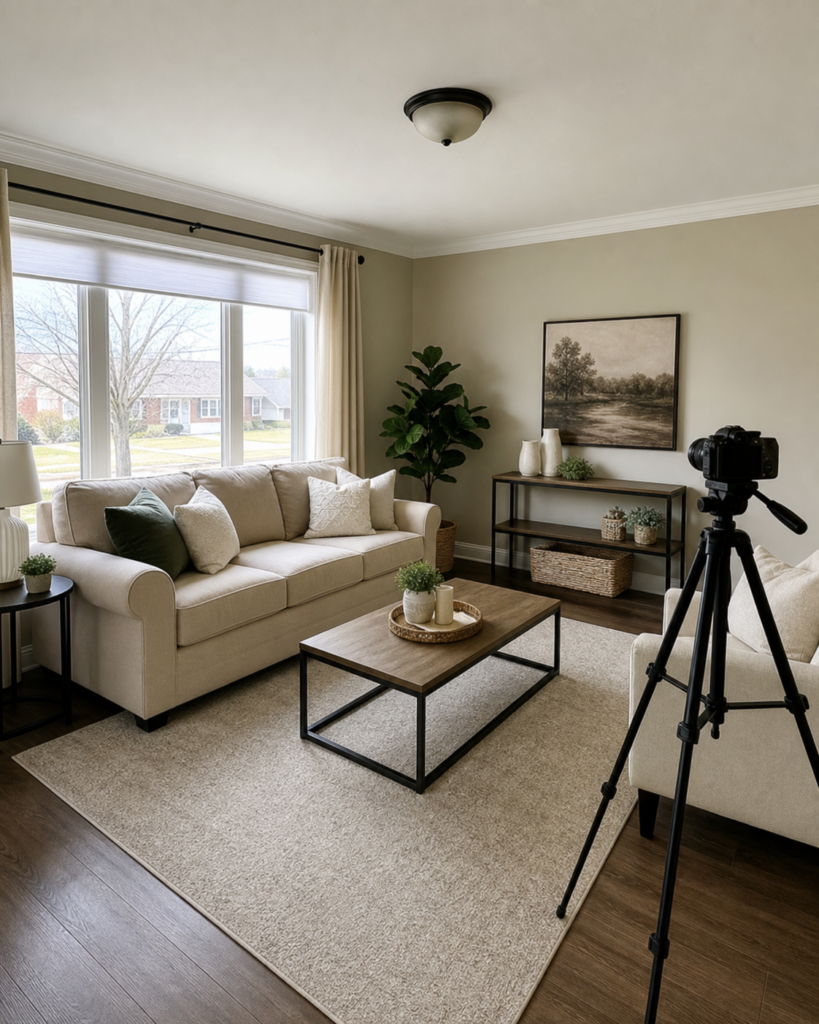
Listing prep is not about turning your house into a magazine spread. It is about making the likely buyer feel clear about what they are seeing. For some homes, prep means decluttering, small repairs, better lighting, and cleaner sightlines. For others, it means leaving big projects alone and pricing honestly around the condition.
Not every dollar spent before listing comes back. Some updates help. Some only make you feel busier.
Before you paint, replace, renovate, or panic-buy storage bins, ask what the likely buyer will actually care about. A first-time buyer may be nervous about repairs. A move-up buyer may care more about layout and finishes. A down-sizer may care about stairs, parking, and maintenance. An investor may care about rent, zoning, and renovation math.
The prep should match the buyer pool.

Photos Need A Clear Story
Good photos do not just show rooms. They help buyers understand the home.
That means the listing should answer basic questions quickly:
- How does the main floor flow?
- Where does the light come in?
- Is there usable storage?
- What condition is the kitchen in?
- What does the outdoor space offer?
- Are there any areas that need explanation?
I have written about what buyers really notice when you sell your home because sellers and buyers often notice different things.
Photos should make the strengths easy to see. They should also avoid pretending weak spots do not exist. Buyers usually find those in person anyway, and then the listing starts to feel less trustworthy.
Access And Showings Can Affect Results
Access matters more than sellers sometimes expect. If buyers cannot see the home easily, some will move on.
That does not mean your life should be turned upside down for every showing request, but the showing plan should be realistic. Think about pets, work schedules, kids, tenants, alarms, parking, and how much notice you need.
The easier it is for qualified buyers to view the home, the fewer chances you miss.
This is also where communication matters. Showing feedback, repeated objections, and agent questions can all help you understand how the listing is landing.
You do not need to react to every comment. You do need to pay attention to patterns.
Know The Buyer Questions Before They Ask
Before you list, think through the questions buyers may ask. For example:
- How old are the roof, furnace, air conditioner, and windows?
- Are there permits for major work?
- Has there been water in the basement?
- What are the average utility costs?
- What fixtures or appliances are included?
- Are there rental items?
- Is there anything unusual about the lot, driveway, access, or neighbouring property?
Some answers are simple. Some should be checked with your lawyer or documents before you respond casually.
The point is not to scare anyone. It is to avoid scrambling later.
RECO has an official Information Guide that helps buyers and sellers understand representation, services, and responsibilities in Ontario real estate.
Have An Adjustment Plan Before You Need One
The first week on market can teach you a lot. Showings, saves, questions, comments, and silence all matter.
A quiet listing does not automatically mean disaster, but it does mean you should know what you are watching. Before you list, decide how you will evaluate the response.
Ask:
- How many showings would be healthy for this price range?
- What feedback would concern us?
- What feedback would we ignore?
- How long should we wait before adjusting?
- Would we change price, presentation, access, or all three?
I have written about the strategy behind generating multiple offers because strong results usually come from planning before the listing goes live.
Not every home will create multiple offers. That should not be the only measure of success. The real goal is to give your home the best footing for the market you are actually in.
Before You List, Get The Plan Clear
Selling a home in Brantford is easier when the plan is clear before buyers ever see the listing. That means understanding the competition, choosing a price that fits the market, preparing the home for the likely buyer, making the photos useful, planning access, and knowing how you will respond to feedback.
If you are thinking about selling, contact me before you start guessing what matters. Ask what your home is competing against, what buyers may question, and what should be handled before the listing goes live.



Pingback:Selling In West Brant: What Buyers are Telling Me About Their Expectations | Matt Allman - Brantford Real Estate Agent